
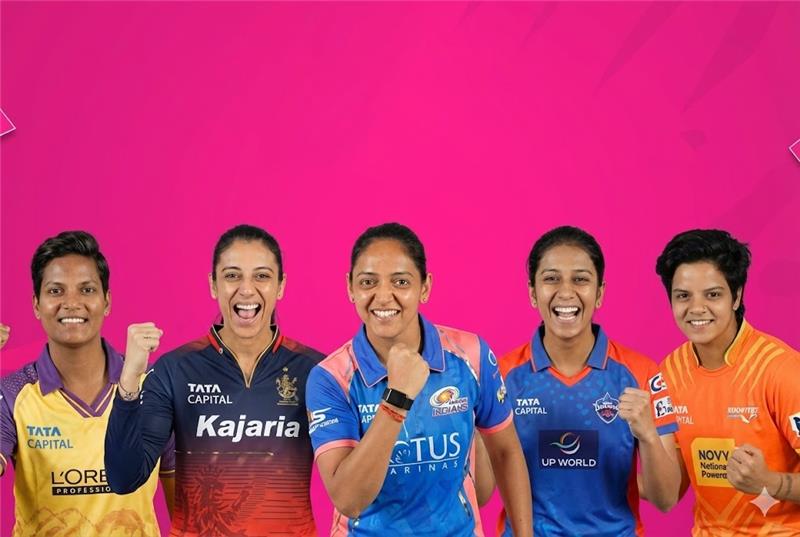
The Women’s Premier League is not just India’s biggest women’s cricket tournament. It has quickly become a prime-time marketing moment.
Brands across categories, from fantasy sports and financial services to beauty brands and local businesses, are finding meaningful ways to be part of the league.
For a few intense weeks, women’s cricket takes centre stage. Conversations shift. Screens light up. Social feeds fill with match clips, player moments and debates. Viewers do not just watch. They engage, react and participate. For marketers, that level of attention is rare.
Unlike men’s IPL, where scale often drives visibility, WPL rewards brands that understand intent.
Brands are no longer relying only on TV spots. Emotional brand films, social-first content, influencer tie-ups and contextual outdoor messaging now form the core playbook. This WPL season, brands have shown up with more purpose, not just to be seen but to be remembered.
If you are a brand looking to connect with a progressive audience, or a digital marketing agency trying to understand what works during WPL, here is a breakdown of campaigns that are playing it smart.
Scorecards, Screens and Strategy: Why WPL Is a Marketing Powerplay
Women’s IPL is more than cricket. It is a growing content ecosystem.
Matches play on one screen while social reactions unfold on another. Short-form clips flood timelines in real time. This multi-screen behaviour is what makes WPL a valuable marketing moment.
The audience may be smaller than men’s IPL, but attention is sharper. Viewers are actively watching, discussing and forming opinions. This is not background viewing. It is high-interest, high-involvement engagement.
Instead of going all in only on broadcast ads, smart marketers spread their presence across digital films, reels, influencer content and contextual messaging. The goal is simple. Be part of the moment, not an interruption.
WPL also creates emotional context. Messages around belief, ambition and resilience land differently when a women’s team is chasing a win.
Commercial Momentum: Why Brands Are Investing in WPL
The growing appeal of WPL is cultural and commercial.
According to the TAM Sports Commercial Advertising Report, the second season of the Women’s Premier League saw over 70+ brands advertising during live matches across television. These brands came from more than 45 product categories with over 35 advertisers participating.
This scale signals a clear shift. Brands are no longer testing WPL. They are committing to it.
The 2026 season has expanded sponsorships across league and broadcast partnerships. Finance, nutrition, beverages, consumer tech, AI and lifestyle brands have all increased their presence. This diversity reflects WPL’s ability to attract audiences beyond traditional sports viewers.
The Familiar Faces: Fantasy Platforms That Understand Fandom
Some brands do not just appear during cricket season. They build their identity around it. Fantasy sports platforms are a clear example.
Dream11
Dream11’s campaign Aadha Fan Nahi Chalega stood out for its honesty.
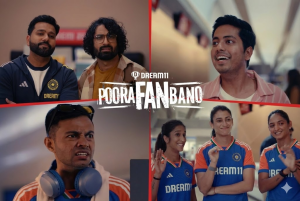
Image Credit: Dream11 | Published by Made In Media
Instead of preaching support for women’s cricket, the campaign addressed an uncomfortable truth. Many viewers follow women’s matches half-heartedly. Using humour, mainstream credibility and quiet confidence, the brand nudged audiences to take the game seriously.
Importantly, the campaign did not position women’s cricket as emotional or fragile. It treated it as competitive sport.
The real win was not visibility. It was behaviour change.
Emotion as Strategy: How Tata Is Humanising the League
While some brands focused on behaviour, others leaned into emotion.
Tata Group
Tata Group’s campaign Champions Ki Galiyon Mein Aapka Swagat Hai, featuring Deepti Sharma, shifted focus away from trophies and scorelines.
The campaign celebrated local grounds, discipline and the quiet determination that shapes champions long before the spotlight arrives. By highlighting personal journeys, it humanised the league.
There was no over-explaining. No forced empowerment narrative. Just respect for the game.
Major WPL Campaigns Challenging Stereotypes
As WPL evolves, brands are using it to challenge long-held assumptions around women and sport.
Tata Capital
Tata Capital’s campaigns Game Bolega and Champions Ki Galliyon Mein focused on skill, performance and grassroots development. Featuring players the brand let performance speak louder than stereotypes.
PUMA
PUMA tackled gender bias by highlighting how leadership in cricket is often viewed through a male lens. The campaign brought visibility through a strong social-first push.
The focus was representation, not product.
Beauty Brands Breaking the One-Dimensional Athlete Image
Himalaya Facecare
Himalaya Facecare positioned its face wash as a functional product for outdoor athletes. Partnering with Royal Challengers Bengaluru players, the campaign framed skincare as performance-ready, not cosmetic.
LoveChild Masaba
LoveChild Masaba blended fashion and cricket through a playful campaign featuring Mumbai Indians players. It challenged the idea that women must belong to only one world.
Content over Clutter: How Streaming Platforms Are Building Daily Habits
If WPL moments reach Instagram before a streaming app is opened, that is intentional.
JioCinema
JioCinema extended WPL beyond live matches through reels, highlights and real-time reactions. By meeting audiences where they already scroll, the platform built daily viewing habits instead of one-time tune-ins.
They were not just streaming the league. They were shaping how it is consumed socially.
The Quiet Plays: Smaller Brands Leveraging the WPL Moment
Not all WPL marketing appears on screens.
Education institutes, FMCG brands and local businesses often rely on timing rather than direct association. During cricket season, attention is already high. Even simple outdoor messaging gains visibility.
For smaller brands, WPL is not about airtime. It is about attention.
| Key Insight | What It Means for Brands |
|---|---|
| Context over volume | Relevant timing beats loud presence |
| Join the conversation | Sound natural, not promotional |
| Digital-first thinking | Short-form content drives engagement |
| Consistency matters | Repeated presence builds recall |
Conclusion: WPL Is More Than a Tournament
From fantasy platforms and emotional brand films to stereotype-breaking campaigns and subtle outdoor plays, the Women’s IPL has evolved into more than a cricket league.
It is a cultural moment that rewards brands who understand timing, tone and intent.
The brands that win are not the loudest ones.
They are the ones that respect the audience and the platform.
Because in the Women’s IPL, attention is not bought. It is earned.